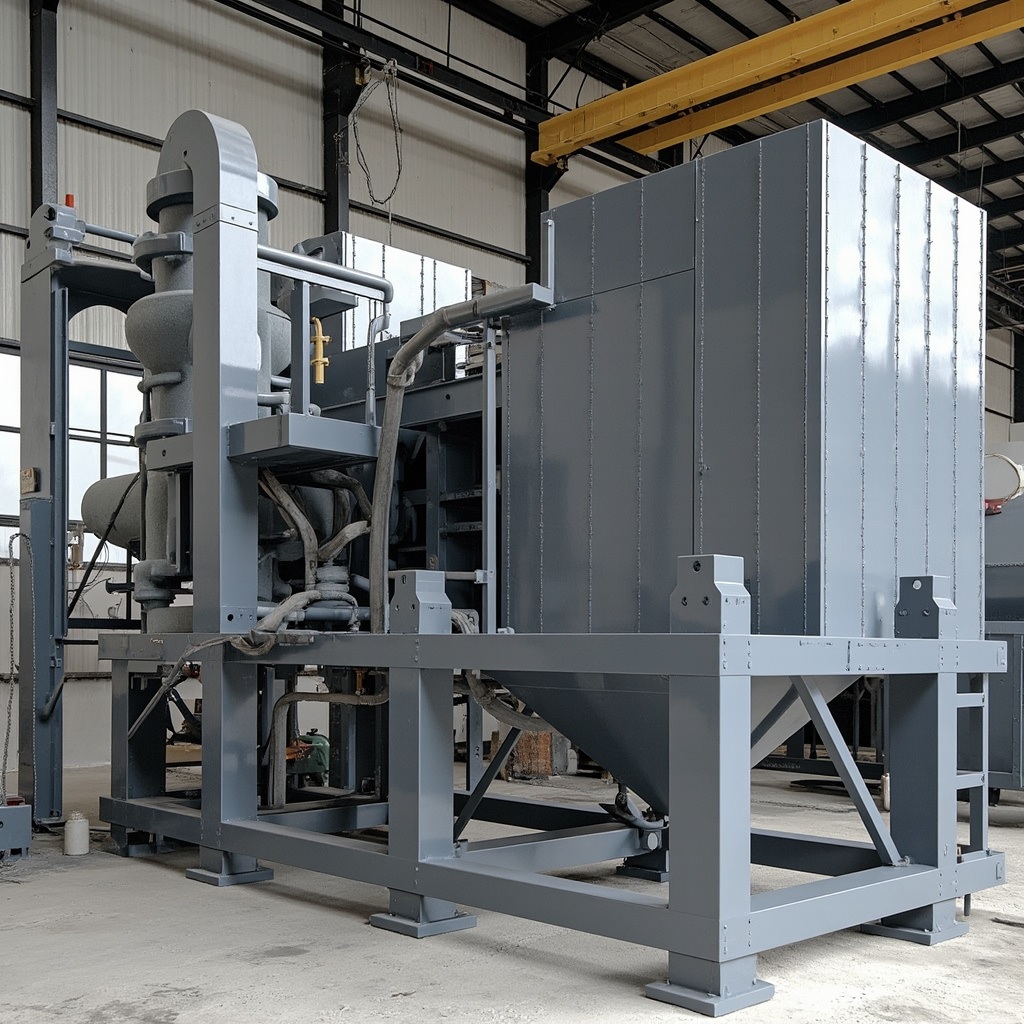
 You are about to drop a serious chunk of capital on a machine that will live in a world of extreme heat, abrasive dust, and brutal duty cycles. A planetary mixer for a refractory plant isn’t a kitchen appliance. It is the mechanical heart of your batch house. If you ask the wrong questions, you will be stuck with a machine that clogs, overheats, or simply cannot handle the specific gravity of your castables. Here are the five questions that separate a smart investment from a costly mistake.
- Can the Mixer Actually Handle Your Material’s Specific Gravity?
Most standard planetary mixers are designed for concrete or mortar. Refractory materials are a different beast. You are dealing with silicon carbide, bauxite, and fused alumina. These materials are heavy. Really heavy. A standard mixer might look good on paper, but when you load it with a high-density castable, the torque demand spikes instantly. Ask for the exact specific gravity range the mixer is rated for. If the manufacturer hesitates, walk away. You need a machine built with a gearbox and motor that can sustain peak torque without thermal shutdown. The REFAMIX line, for example, is engineered specifically for these dense, abrasive mixes, but you must confirm the model matches your exact batch weight and density.
- How Does the Mixing Tool Geometry Prevent “Dead Zones”?
A planetary mixer works by rotating the mixing tools on their own axis while the entire assembly orbits the bowl. That is the theory. In practice, many mixers leave a ring of unmixed material clinging to the bowl wall or settling in the center. For a refractory plant, this is a disaster. A partially mixed batch means inconsistent density, weak spots in the final product, and potential failure under thermal stress. Ask for a detailed diagram of the tool path. Does the scraper blade contact the entire bowl surface? Is there a secondary tool to break the central vortex? If the answer is vague, demand a video of a dry mix cycle with colored sand. You want to see complete turnover, not a lazy swirl.
- What is the Real-World Wear Rate on the Liner and Blades?
Refractory mixes are essentially liquid sandpaper. The wear rate on your mixing bowl liner and blades will determine your operating cost more than anything else. Do not accept generic promises of “heavy-duty construction.” Ask for the specific hardness rating of the liner material. Is it AR400 steel? Is it a chrome carbide overlay? How many hours of mixing with a 95% alumina aggregate can you realistically expect before the liner needs replacement? A good manufacturer will have this data. If they cannot provide it, they have not tested their machine in a real refractory environment. Also, ask if the blades are reversible or if you can rotate them to extend life. This simple design feature can double your uptime between rebuilds.
- Is the Discharge System Designed for Sticky, High-Temperature Mixes?
This is where many mixers fail. You finish your batch, and the material is sticky, slightly moist, and heavy. You open the discharge gate, and nothing happens. Or it clogs halfway through. Or the seal leaks and you have a mess on the floor. Ask about the discharge mechanism. Is it a bottom drop gate? Is it hydraulically assisted? What is the clearance between the gate and the bowl when open? You need a full, unobstructed opening. Also, ask about the seal material. Standard rubber seals will degrade quickly if you are discharging a mix that is still warm from preheated aggregate. Look for a high-temperature silicone or a metal-to-metal seal design. The REFAMIX discharge systems are known for their wide, unobstructed gates, but you must verify the seal compatibility with your specific mix temperature.
- What is the Realistic Cleaning and Maintenance Cycle?
Refractory materials set hard. If you have a production stoppage for twenty minutes, that leftover mix in the bowl can become a rock. Ask how long it takes to fully strip and clean the mixer. Can you access the bottom of the bowl without removing the entire mixing arm assembly? Are there quick-release pins on the scraper blades? How long does a liner replacement actually take? A mixer that requires an eight-hour shift to change a liner is a liability. You want a machine designed for rapid access. Also, ask about the lubrication points. Are they centralized? Can you grease the main bearings while the machine is running? Every minute of downtime for maintenance is a minute of lost production. The best mixers are designed so that a single operator can do a full cleanout in under thirty minutes. If the manufacturer cannot give you a clear, documented procedure for this, you are buying a problem
Categories: Business
