Menu Home

How to Evaluate Fine Art Prints, Editions, and Originals Before You Buy

Artstoreonline’s fine art range is broad, but it isn’t a chaotic “everything for everyone” warehouse. It’s more like a well-labelled storeroom: genre, period, and medium are used as the organizing spine, and the listings usually give you the specs that matter, size, substrate, edition info, and how the piece is presented (wrapped, framed, paper-only, etc.). That sounds basic until you’ve tried comparing artworks on sites that treat dimensions and materials like an afterthought.

One quick line for emphasis:

Good metadata is part of the product.


 Originals vs editions: the fork in the road

Here’s the thing: most buyer regret in online art comes from not understanding what “edition” means in practice. On artstoreonline.com.au, you’ll generally run into three buckets:

Original works (one-off pieces, with scarcity built in)

Limited editions (scarcity declared and enforced, at least in theory)

Open editions (no fixed cap; value relies more on image, presentation, and demand)

Now, this won’t apply to everyone, but if you’re collecting with resale in mind, limited editions tend to be the only one of the three where the structure supports future value without you doing extra narrative work later. Originals, obviously, can outperform everything, but they also require the most trust, documentation, and market context.


 How the catalog is laid out (and why it matters)

Some sites bury the lede. Artstoreonline doesn’t, and that changes how you browse.

Works are commonly arranged by genre, period, and medium, which sounds academic until you’re trying to build a coherent wall (or a coherent collection) and realize that “contemporary” isn’t a style, it’s just a date range. When the filtering is consistent, you can do smarter comparisons: a canvas print vs a paper print stops being “vibes” and becomes a choice with tradeoffs.

A typical listing leans on:

Dimensions (and sometimes multiple size options)

Materials/substrate (canvas, paper, archival media)

Edition details (number, run size, certificate notes)

Presentation (gallery wrap, framing compatibility, ready-to-hang)

If that sounds picky, it should. These are the variables that determine whether a piece looks premium or merely decorative once it’s on a wall under real lighting.


 Museum-grade reproductions: what that phrase should mean

Hot take: “museum-quality” is often used as marketing perfume. Sometimes it’s earned. Sometimes it’s not.

When Artstoreonline leans into museum-grade reproductions, the real evaluation points are ink chemistry, substrate stability, and color management, unsexy stuff that quietly determines whether your print looks great in five years or looks tired in eighteen months.

A concrete benchmark helps here. Lightfastness claims for pigment inks are commonly discussed in terms of display life; for context, Wilhelm Imaging Research has long published longevity testing for inkjet prints under specific conditions (display lighting, glazing, etc.). You can browse their general research here: https://www.wilhelm-research.com/

That doesn’t “prove” any single seller’s output is archival, but it’s a useful reference for what serious testing looks like.


 Print material standards (the technical side)

If you want the specialist briefing version, focus on:

Archival substrates: acid-free, pH-neutral papers; stable canvas; properly coated media

Pigment-based inks: generally preferred for longevity and color stability

Calibrated workflows: profiling, printer calibration, consistency across batches

Handling/storage guidance: because even a great print can be ruined before it’s framed (I’ve seen it happen more than once)

Color fidelity isn’t magic. It’s process control.


 Color fidelity metrics (yes, DeltaE actually matters)

If you’ve never heard of DeltaE, you’re not alone. It’s a numeric way of describing how far a printed color deviates from a reference under defined viewing conditions. Lower is closer. In high-control production environments, DeltaE targets can be strict; in consumer print settings, it can be… aspirational.

The practical takeaway: if a platform talks about fidelity but can’t describe the workflow (lighting conditions, profiling, tolerances), you’re dealing with a promise, not a spec.


 Fine art photography: different animal, different traps

Photography isn’t “just a print.” It comes with a separate set of decisions that affect both how it looks and how it holds value.

Editions matter more here because the underlying image can be reproduced endlessly unless the artist and publisher enforce limits. You’ll want clarity around:

Edition size and signing practices

Certificates of authenticity

Paper type and finish (gloss, pearl, rag, baryta-style papers)

Mounting and glazing choices (which can either elevate the work or flatten it)

And yes, digital manipulation matters. A heavily composited photograph can be stunning, but the market often treats documentary-leaning work differently than aggressively edited work. Not better or worse, just… different trajectories.


 Contemporary canvases and editions: what you’re really buying

Canvas pieces often get chosen because they’re easy to live with. No glass glare. Big visual presence. Cleaner install. But the quality spread is massive, so you don’t want to shop this category with your eyes half closed.

A solid contemporary canvas offering typically includes: primed support, archival ink claims, and clear edition notes. Then you pick your presentation path, gallery wrap, stretched canvas, framed canvas, each with a different “weight” on the wall, literally and visually.

Look, I’m opinionated here: gallery wraps are convenient, but they can cheapen a delicate image if the wrap depth and edge treatment aren’t handled well. Some works want the boundary of a frame. Others don’t.


 Limited-edition prints: value isn’t just “small run = good”

Collectors love the idea that smaller editions automatically win. That’s not always how it plays out.

Edition size matters, sure. So do:

– documentation quality (COAs that actually contain useful information)

– artist demand and visibility

– print process consistency

– condition and storage history

Also, don’t assume a higher edition number inside the run is “worse.” Numbering is usually not a ranking system; it’s inventory tracking with a little romance attached.

If you’re serious, ask yourself a blunt question: Could I defend this purchase to a skeptical collector using documents, not feelings? That’s where provenance and edition detail stop being “nice extras” and start being the backbone.


 Provenance: the boring stuff that saves you later

Provenance is the paper trail, ownership history, exhibition notes, gallery records, certificates, sometimes publisher documentation. People ignore it until they need to resell, insure, authenticate, or settle an estate. Then it becomes the whole conversation.

Gaps don’t automatically mean trouble, but they do widen the space where trouble can live.


 Price tiers and “investment potential” (a reality check)

Art can appreciate. It can also stall for a decade and then spike for reasons no spreadsheet predicted.

I like tiered thinking, though. Lower tiers give you access and flexibility. Mid tiers are where you can make more deliberate bets on consistency and artist trajectory. Higher tiers tend to reward reputation and scarcity, but also punish mistakes more harshly.

If you’re tracking investment-like behavior, watch liquidity signals: frequency of secondary market sales, price stability across time, and whether demand is broad or just a small circle of fans. Diversification across artists and formats isn’t glamorous, but it’s how you avoid a collection that’s basically one long mood swing.


 Comparing editions without getting fooled

When you compare one edition to another, you’re not just comparing images. You’re comparing objects.

Check:

– edition size and publisher notes

– signature method (hand-signed, plate-signed, certificate-only)

– paper stock and finish

– embossing, watermark, or other physical markers

– border and crop differences (these change the work more than people admit)

– consistency with catalog records or publisher listings

Condition is the silent killer. A tiny crease on a limited edition can matter more than buyers expect, especially if the market is picky.


 Building a cohesive collection (color and theme, but make it practical)

Some collectors chase “the best piece” over and over and end up with a house that feels like five different people live there. If you want cohesion, color discipline helps.


 Cohesive color schemes (the friend version)

Pick a core palette. Stick to it longer than you think you should. Then add one accent color that shows up like a recurring character.

Frame choices count too (annoying, but true). A warm timber frame can shift how a neutral print reads. Mat boards can cool or warm a piece. Lighting can wreck the whole plan.


 Thematic viewer experience (the curator version)

Theme isn’t a slogan; it’s a sequence. Consider how works “talk” across a room: scale rhythm, spacing, the emotional tempo from one piece to the next. If you’re mixing periods or mediums, use presentation rules, consistent framing, consistent margins, deliberate placement, to avoid visual noise.

Sometimes the best move is leaving a wall empty for a month so the collection can breathe. That pause can teach you what you actually like, not just what you’re willing to buy.

Sweet Displays Sparkle Attractively Using Decorative Edible Glitter

Sweet presentations have evolved beyond taste alone. Today, visual delight plays a powerful role in how desserts are experienced and remembered. Decorative edible glitter brings a radiant touch that elevates sweet displays, transforming everyday treats into eye-catching centerpieces that feel celebratory, elegant, and joyful.

The Visual Magic of Edible Glitter in Desserts

Decorative edible Food Glitter adds shimmer without overpowering the dessert’s natural charm. When light dances across sparkling surfaces, sweets instantly appear more inviting and premium. This visual enhancement creates an emotional connection, encouraging admiration before the very first bite.

Edible glitter complements a wide range of sweet creations, from classic pastries to modern confections, making it a versatile design element for both minimal and elaborate displays.

Why Sparkling Sweet Displays Capture Attention

A beautifully styled dessert table often becomes the focal point of any event. Edible glitter enhances this effect by adding dimension, glow, and movement.

Key reasons glittered sweets stand out include:

  • Enhanced visual appeal that attracts attention instantly
  • A luxurious finish that suggests care and creativity
  • Improved presentation for photography and social sharing
  • A festive sparkle that suits celebrations of all kinds

These qualities help sweet displays leave a lasting impression while maintaining a refined and tasteful appearance.

Creative Ways to Use Decorative Edible Glitter

Edible glitter can be applied in subtle or bold ways, depending on the desired effect. A light dusting can create elegance, while layered sparkle delivers dramatic flair.

Popular decorative ideas include:

  • Highlighting frosting details with a gentle shimmer
  • Accentuating edges, textures, and patterns on sweets
  • Adding glow to themed dessert tables and color palettes
  • Creating contrast on neutral or pastel-toned treats

This flexibility allows decorators to customize designs while keeping the overall look harmonious and appealing.

A Positive Sensory Experience beyond Taste

The charm of edible glitter lies in how it enhances the full sensory experience. Visual sparkle builds anticipation, making sweets feel special before they are enjoyed. When presentation and flavor work together, the result is a more memorable and satisfying moment.

Edible glitter also encourages creativity, allowing sweet displays to reflect mood, theme, or celebration style. From elegant gatherings to joyful parties, sparkling desserts bring a sense of delight and wonder to the table.

Sweet Displays That Shine with Confidence

Decorative edible glitter offers a simple yet powerful way to elevate sweet presentations. By adding sparkle thoughtfully, dessert displays become more engaging, expressive, and visually irresistible. The result is a positive, uplifting experience that celebrates creativity, beauty, and the joy of sharing something sweet.

When sweets sparkle attractively, they do more than decorate a table they create moments that shine in memory long after the last bite.

Discover Ace Hardware’s Best Grills for the Perfect BBQ Experience

At Ace Hardware & Home in Wayne, NE, we offer an outstanding selection of grills designed to elevate your outdoor cooking. Whether you’re a seasoned grill master or a weekend warrior, our range of high-quality grills provides the perfect solution for your culinary needs. From gas grills to charcoal smokers, each product promises durability, performance, and an exceptional grilling experience. Visit our store to explore our collection and find the perfect grill for your backyard gatherings. Ace Hardware & Home is your local expert, dedicated to offering personalized service and quality products.

As your helpful neighborhood store, we believe in providing only the best for our community. Our carefully curated selection of grills ensures that every customer can find a product that suits their needs, whether they’re hosting a large barbecue or a cozy family dinner.

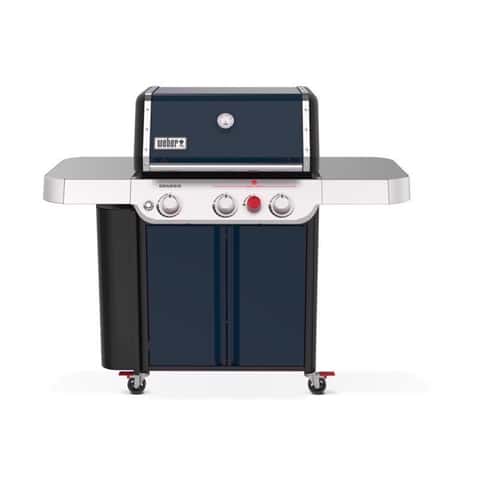
Weber Genesis SA-E-330 3 Burner Liquid Propane Grill Indigo

Weber Genesis SA-E-330 3 Burner Liquid Propane Grill Indigo

The Weber Genesis SA-E-330 is an Ace Hardware exclusive that combines quality and innovation for a superior grilling experience. With its PureBlu burner system and stainless steel grates, it ensures even heat distribution and perfect sear marks. The grill features a 13,000 BTU Sear Zone Burner, a Grill Locker, and a built-in lid thermometer. Its 513 square inches of primary cooking area make it perfect for any gathering.

“The Genesis SA-E-330 is a game-changer for grill enthusiasts,” says our store manager. “Its innovative features and robust performance make it a top choice for outdoor cooking.”

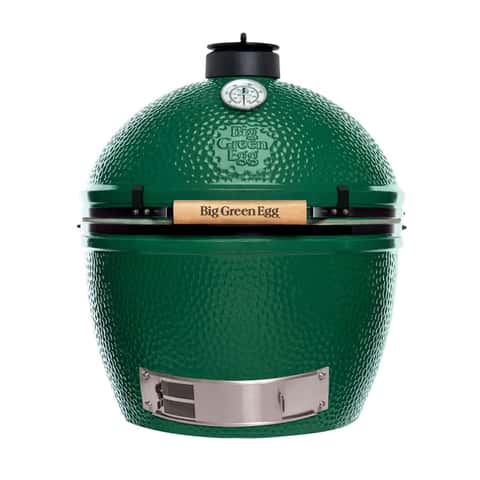
Big Green Egg 24 in. XLarge Charcoal Kamado Grill and Smoker Green

Big Green Egg 24 in. XLarge Charcoal Kamado Grill and Smoker Green

The Big Green Egg XLarge is known for its versatility and ease of use. With a spacious cooking area, it can handle large gatherings effortlessly. Its ceramic design enhances natural flavors, while the patented airflow system allows precise temperature control. The grill supports various cooking methods and is built to last with a lifetime warranty.

“The Big Green Egg is perfect for those who love experimenting with different cooking styles,” our owner notes. “It’s more than just a grill; it’s an all-in-one outdoor cooker.”

Blackstone 4 Burner Liquid Propane Outdoor Griddle Black

Blackstone 4 Burner Liquid Propane Outdoor Griddle Black

The Blackstone 4 Burner Griddle offers a versatile cooking surface with a solid rolled steel design. With 60,000 BTUs and a 720 square inch cooking area, it’s perfect for large gatherings. The griddle includes features like a grease management system, front/side shelf, and tool holder for convenience.

“Blackstone’s griddle is ideal for those who enjoy cooking a variety of foods simultaneously,” says our store manager. “It’s a must-have for outdoor cooking enthusiasts.”

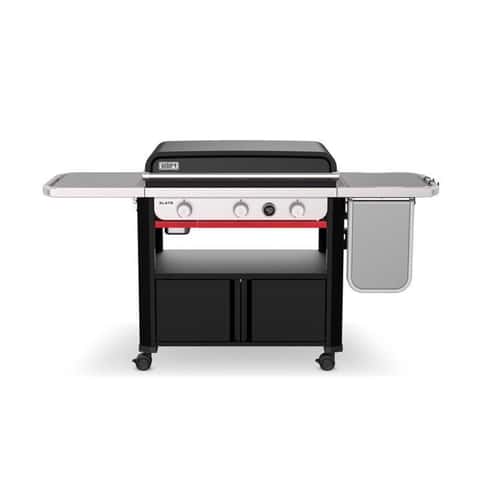
Weber Slate Rust-Resistant 1500215 3 Burner Liquid Propane Outdoor Griddle Black 30 IN ACE EXCLUSIVE

Weber Slate Rust-Resistant 1500215 3 Burner Liquid Propane Outdoor Griddle Black 30 IN ACE EXCLUSIVE

This Weber griddle is designed for ease and efficiency, with a pre-seasoned cooktop and rapid heating capacity. It includes a digital temperature display and ample storage options. The 540 square inch cooking area and rust-resistant design make it a durable choice for outdoor cooking.

“Weber’s Slate Griddle is perfect for those who value convenience and quality,” our owner remarks. “Its thoughtful design makes grilling a pleasure.”

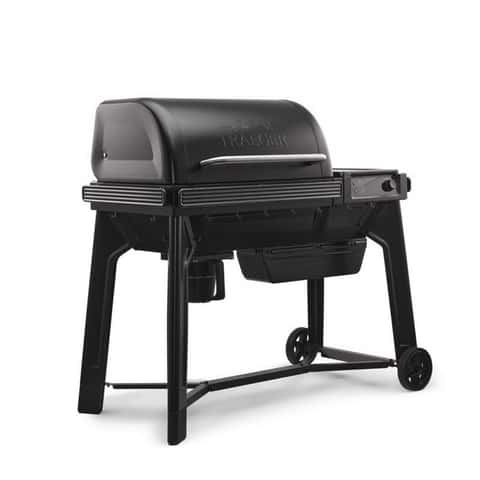
Traeger Woodridge Wood Pellet Grill Black

Traeger Woodridge Wood Pellet Grill Black

The Traeger Woodridge Pellet Grill offers a wood-fired flavor with advanced features like WiFIRE connectivity and EZ-Clean Grease & Ash Keg. Its 860 square inch cooking area is complemented by ModiFIRE accessories for versatile cooking. The grill’s digital controller and pellet swapping capabilities make it a modern choice for grill enthusiasts.

“The Traeger Woodridge is for those who want to take their grilling to the next level,” our store manager explains. “Its technology and design make it a standout choice.”

For all things Ace Hardware, please visit acehardware.com.

A Gravity mattress Wedge – The Response to Numerous Wellbeing

The Gravity mattress wedge or wedge cushion is some of the time the response to a wide range of issues. In the event that you have any of a few wellbeing or rest conditions like breathing, heartburn, back or neck issues, or unfortunate course, this might be the response to your concerns. Gravity mattress wedges can be utilized to raise the head for various reasons and raising the legs for flow issues.

Why Utilize a Gravity mattress Wedge?

A Gravity mattress wedge can be various sizes relying on your inclination. The principal part of the pad is the help that it accommodates anything reason you might require it. The froth wedge pads are intended to be multi-useful and of the material that will give a perfectly measured proportion of help for neck, head, shoulders or legs.

Bliv klogere på kugledyner

An extraordinary aspect regarding the cushions is they can be utilized regardless of whether you are not experiencing any issues. They are prescribed by wellbeing experts to hold back from creating issues from now on. The Gravity mattress wedge is agreeable and will assist with keeping your body appropriately adjusted while you rest. Many individuals rest without their spine being adjusted which will ultimately create issues. The wedge cushions are utilized for indigestion. By keeping the head raised, it assists with holding the items in the stomach back from advancing toward the throat. This is the primary driver of indigestion and when you lie level it removes the gravity that is available when you are standing. This makes it a lot simpler for the stomach items to come up instead of going into the small digestive tract where they should go. The wedge pad utilized for rest apnea can assist with keeping the delicate tissue toward the rear of the throat open so the occasion of this issue can be decreased. There are many individuals who utilize this strategy for taking care of this issue since rest apnea can be very tyngdedyne.

Are There Various Kinds of Wedge Cushions?

There are different point wedges so you make certain to earn the perfect college education of height. Some are explicitly intended to keep enlarged legs and feet at the right point to allow the blood to course accurately. This is very fundamental to recuperating. For the people who have issues in the chest area, there are wedges that will keep the arms, chest, back and head well-positioned to permit the absolute most agreeable position. There are additionally adaptable padding wedge pad which have visco that will move the intensity from your body to the pad. This permits it to shape to your body for an agreeable fit. The cushion is slanted so your head is not excessively low.