Modern electrical installations benefit from carefully selected surge protective devices (SPDs) that match the level and source of potential electrical disturbances. Type 1 and Type 2 SPDs serve different roles within a protection strategy, making it useful to understand their characteristics before choosing an appropriate solution. A helpful comparison of https://lsp.global/spd-type-1-vs-type-2-vs-type-3/ can provide additional context when reviewing these protection categories.
Type 1 SPDs are designed to manage high-energy surge currents associated with lightning-related events. They are commonly considered near the origin of an electrical installation, particularly where a building has an external lightning protection system or where direct lightning effects require consideration. Their strong discharge capability makes them an important part of protection planning for installations exposed to substantial transient energy.
Where Type 1 Protection Fits
Type 1 protection can be considered when installation conditions indicate a possibility of significant lightning current entering the electrical system. Key considerations include:
- Presence of an external lightning protection system
- Exposure to direct or partial lightning currents
- Position of the main distribution point
- Required impulse discharge capability
- Coordination with earthing and bonding arrangements
Selecting the correct Type 1 device helps create a structured first stage of surge protection while supporting dependable electrical system design.
Understanding Type 2 SPD Applications
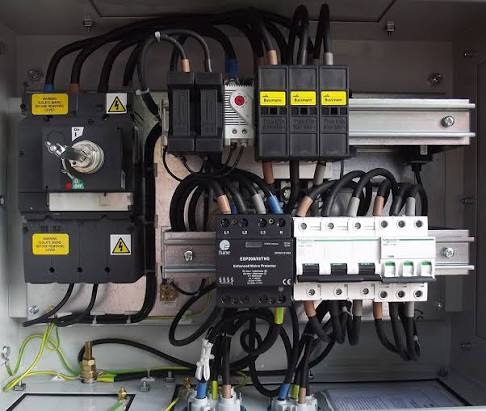
Type 2 SPDs are commonly used to address transient overvoltages from lightning effects and switching events within electrical installations. They are generally positioned at distribution boards and can provide valuable downstream protection for circuits and connected equipment. Installation guidance identifies Type 2 protection as an important choice for systems requiring protection against switching overvoltages and indirect lighting effects.
Benefits Of Type 2 Protection
Type 2 SPDs can support electrical installations through several practical advantages:
- Protection against common transient overvoltages
- Suitable placement within distribution systems
- Support for downstream electrical equipment
- Effective coordination with upstream protection
- Flexible integration into modern distribution boards
Their role makes them especially useful for creating layered protection throughout an installation.
Choosing Between Type 1 And Type 2
The choice should be based on the installation’s characteristics rather than simply selecting one category universally. Type 1 is associated with higher-energy lightning currents, while Type 2 focuses on downstream surge protection and switching-related transients. In some installations, both types can work together as coordinated stages, creating broader protection from the incoming supply through distribution circuits.
Planning A Reliable Protection Strategy
A suitable SPD selection should consider the electrical system arrangement, exposure to lightning, installation location, required protection level, and coordination between protective devices. Proper positioning and short connection conductors are also important because connection length can influence the voltage protection level delivered to connected equipment.
By evaluating these factors carefully, Type 1 and Type 2 SPDs can be incorporated into a practical, coordinated protection strategy that supports electrical reliability, equipment protection, and long-term installation performance.
Categories: Business
