Menu Home

PPF Colors Create Distinctive Looks with Dependable Paint Protection

Personalizing a vehicle while preserving its original finish has become an appealing choice for many owners. Protective films with vibrant color options offer an excellent combination of visual enhancement and reliable surface defense. They allow vehicles to stand out with unique styling while helping maintain the condition of the paint through everyday use. This balance of beauty and durability makes colored protective films a valuable upgrade for drivers seeking both function and appearance.

Stylish Appearance with Reliable Protection

Colored protective films provide an attractive finish while acting as a dependable barrier against common environmental elements. The combination of aesthetics and durability helps preserve the vehicle’s exterior without sacrificing its distinctive character.

Key Benefits

  • Enhances overall vehicle appearance.
  • Helps shield paint from minor scratches.
  • Reduces the effects of road debris.
  • Preserves the original paint beneath the film.
  • Supports long-lasting surface quality.
  • Maintains a smooth and refined finish.

Wide Range of Color Choices

Vehicle owners can express their personal preferences through numerous shades and finishes. Whether selecting understated elegance or a bold visual statement, colored protective films provide flexible customization opportunities for nearly every style.

Popular finish options include:

  • Gloss for a polished appearance.
  • Matte for a sophisticated texture.
  • Satin for balanced elegance.
  • Metallic-inspired finishes for added depth.
  • Rich solid colors for timeless appeal.
  • Modern tones that complement different vehicle designs.

These choices make it easier to create a unique look while keeping the original paint protected underneath.

Enhanced Durability for Everyday Driving

Daily driving exposes vehicle surfaces to dust, gravel, sunlight, moisture, and other environmental conditions. Applying ppf colors helps strengthen the exterior by creating an additional protective layer that minimizes routine wear while preserving an attractive finish.

Everyday Protection Features

  • Helps resist light surface marks.
  • Supports consistent paint preservation.
  • Protects against common environmental exposure.
  • Assists in maintaining vibrant color.
  • Reduces the appearance of everyday wear.
  • Contributes to long-term exterior beauty.

Easy Maintenance for Lasting Appeal

Keeping colored protective films looking their best requires only simple maintenance. Regular washing and gentle cleaning help maintain their attractive appearance while allowing the protective layer to continue performing effectively.

Helpful Care Tips

  • Wash the vehicle regularly.
  • Remove dirt before buildup occurs.
  • Use soft cleaning materials.
  • Dry surfaces carefully after washing.
  • Avoid unnecessary abrasive contact.
  • Inspect the surface periodically for continued performance.

Routine care supports both the appearance and protective qualities of the film over an extended period.

An Excellent Choice for Long-Term Value

Combining visual customization with dependable paint protection creates lasting value for vehicle owners. Colored protective films help maintain a cleaner, fresher appearance while reducing everyday surface wear. They provide confidence that the vehicle can retain its impressive finish through regular driving conditions. With numerous color selections, durable performance, straightforward maintenance, and dependable paint preservation, colored protective films offer an ideal solution for enhancing both style and long-term exterior protection. They allow every vehicle to reflect individual personality while keeping the original paint beautifully protected for years to come.

Increase Building Efficiency with Innovative Commercial Roofing Installation Methods

Strong roofing systems contribute significantly to the efficiency, durability, and long-term value of commercial buildings. Modern installation methods focus on improving energy performance, reducing maintenance needs, and enhancing structural protection. Choosing advanced roofing techniques allows property owners to maximize productivity while creating a safer and more comfortable environment. For additional information about professional roofing solutions, visit phillips roofing’s website to explore helpful resources.

Smart Material Selection for Better Performance

Selecting high-quality roofing materials creates a strong foundation for long-lasting efficiency. Modern materials are designed to withstand changing weather conditions while supporting improved insulation and energy savings.

  • Durable materials provide reliable protection against moisture and daily wear.
  • Reflective surfaces help minimize heat absorption throughout the year.
  • Lightweight components reduce structural stress without sacrificing strength.
  • Quality insulation supports consistent indoor temperatures.
  • Weather-resistant finishes help maintain long-lasting performance.
  • Advanced materials reduce the frequency of future maintenance.

Precision Installation Techniques

Roofing Services

Professional installation methods improve the overall strength and reliability of commercial roofing systems. Careful planning and accurate workmanship ensure every roofing component functions effectively.

  • Proper alignment creates secure and dependable roofing structures.
  • Seamless installation reduces the possibility of unwanted water penetration.
  • Accurate measurements improve overall roofing performance.
  • Balanced weight distribution supports structural stability.
  • Strong fastening methods enhance resistance to environmental conditions.
  • Detailed finishing increases long-term durability.

Energy-Efficient Roofing Features

Energy-conscious roofing installations help commercial properties reduce unnecessary energy consumption while improving indoor comfort. Efficient roofing systems contribute to lower operating expenses over time.

  • Reflective roofing surfaces reduce excessive heat buildup.
  • Improved insulation helps maintain comfortable interior temperatures.
  • Ventilation systems encourage balanced airflow throughout the building.
  • Energy-efficient roofing supports reduced cooling demands.
  • Consistent thermal performance increases occupant comfort.
  • Modern roofing solutions improve year-round operational efficiency.

Effective Moisture Protection Systems

Preventing water intrusion is essential for maintaining building efficiency and protecting valuable assets. Advanced moisture management methods strengthen roofing performance and extend service life.

  • Proper drainage directs water away from roofing surfaces.
  • Waterproof barriers add dependable moisture protection.
  • Carefully sealed joints minimize leak risks.
  • Quality flashing strengthens vulnerable roof sections.
  • Controlled water flow protects structural components.
  • Reliable moisture management supports long-lasting roofing integrity.

Long-Term Value Through Modern Roofing Practices

Innovative installation strategies help commercial properties maintain reliable performance for many years. Well-installed roofing systems reduce unexpected disruptions while supporting efficient building operations.

  • Reduced maintenance requirements save valuable time.
  • Strong roofing systems protect interior investments.
  • Enhanced durability improves long-term building performance.
  • Better structural stability supports everyday business activities.
  • Improved efficiency contributes to consistent operational reliability.
  • Quality installation increases overall property value.

Conclusion

Innovative commercial roofing installation methods provide lasting benefits through improved durability, energy efficiency, and dependable protection. Careful material selection, precision installation, effective moisture control, and energy-saving features work together to strengthen building performance. Investing in advanced roofing solutions helps create comfortable, efficient, and reliable commercial spaces while supporting long-term success and reducing future maintenance needs.

Revitalize Body Goals Using Powerful Cavitation Machine Innovation

Achieving body-shaping goals becomes more encouraging when advanced technology supports the journey. Powerful cavitation machine innovation has become a popular choice for individuals seeking a non-invasive approach to enhancing body contours and promoting a more refined appearance. Designed to complement healthy lifestyle habits, these modern solutions help users feel motivated and confident while working toward their desired results.

Benefits of Advanced Cavitation Technology

Modern cavitation machines are designed to support body-enhancement goals through efficient and comfortable treatment processes. Their innovative features make them an appealing option for those looking to improve their overall appearance.

Key Advantages

  • Non-invasive treatment approach
  • Comfortable and relaxing sessions
  • Supports body contouring objectives
  • Helps target specific areas of concern
  • Encourages a smoother-looking appearance
  • Suitable for various body-shaping goals
  • Convenient and efficient procedures
  • Promotes confidence and self-image improvement

These benefits contribute to a positive experience and encourage individuals to stay committed to their personal wellness objectives.

How Cavitation Machine Innovation Supports Results

Beauty Machine

Advanced cavitation systems utilize sophisticated technology to assist with targeted body-enhancement treatments. Precision-focused features help deliver consistent performance while maintaining user comfort.

Important Features

  • Innovative treatment capabilities
  • User-friendly operation
  • Reliable performance standards
  • Adjustable treatment settings
  • Enhanced efficiency during sessions
  • Focused attention on selected areas
  • Consistent treatment application
  • Modern design and functionality

Many individuals appreciate how these features work together to create a streamlined and satisfying treatment experience.

Creating a Positive Body Transformation Experience

Successful body-enhancement journeys often involve a combination of commitment, healthy habits, and supportive technologies. Cavitation machine innovation can complement these efforts by providing an additional tool for achieving aesthetic goals.

Ways to Maximize Benefits

  • Maintain regular treatment schedules
  • Stay properly hydrated
  • Follow balanced nutrition practices
  • Engage in consistent physical activity
  • Prioritize overall wellness habits
  • Establish realistic personal goals
  • Track progress over time
  • Remain dedicated to long-term improvement

For those researching modern body-contouring solutions, valuable information can often be found through resources such as https://www.konmison.com/es/ while exploring available treatment technologies and their potential advantages.

Why Innovation Continues to Drive Interest

Growing interest in cavitation technology is largely connected to its ability to provide a convenient and comfortable enhancement option. Continuous advancements have improved treatment precision, efficiency, and overall user satisfaction.

Reasons for Continued Popularity

  • Focus on comfort and convenience
  • Advanced technological development
  • Positive user experiences
  • Flexible treatment possibilities
  • Support for appearance-focused goals
  • Efficient session structure
  • Modern equipment capabilities
  • Encouraging body-confidence outcomes

Conclusion

Powerful cavitation machine innovation offers an exciting opportunity for individuals seeking supportive body-contouring solutions. With advanced features, comfortable procedures, and a focus on enhancing personal confidence, these systems continue to play an important role in modern body-enhancement strategies. By combining innovative technology with healthy lifestyle choices, individuals can feel inspired to pursue their goals and enjoy a more confident path toward achieving their desired appearance.

Commercial and Retail Space Leasing Supports Long Term Business Growth

Strong business growth often begins with choosing the right commercial and retail space. A well-leased property provides stability, encourages productivity, and creates opportunities for expansion. Businesses that secure suitable spaces can build a stronger presence, improve customer engagement, and establish a foundation for long-term success.

The Value Of Strategic Leasing

Commercial and retail leasing offers numerous advantages that contribute to sustainable growth.

Key Benefits Include

  • Greater operational stability
  • Improved visibility and accessibility
  • Enhanced customer experience
  • Professional business environment
  • Better space utilization
  • Opportunities for future expansion
  • Increased team efficiency
  • Stronger market presence

A carefully selected property helps businesses operate smoothly while supporting both immediate and future goals.

Creating A Professional Business Environment

An attractive and functional workspace can positively influence employees, clients, and visitors.

Features That Enhance Professionalism

  • Modern interior layouts
  • Comfortable work areas
  • Dedicated meeting spaces
  • Efficient lighting solutions
  • Organized storage options
  • Welcoming reception areas
  • Flexible workspace arrangements

When employees work in a supportive environment, productivity often improves. Many businesses also find that incorporating 辦公室 facilities within their commercial spaces creates a balanced setting for administration, collaboration, and customer service.

Supporting Customer Engagement

Retail and commercial locations play a significant role in attracting and retaining customers.

Advantages For Customer Interaction

  • Easy access for visitors
  • Convenient parking availability
  • Comfortable customer areas
  • Clear storefront visibility
  • Improved brand presentation
  • Enhanced shopping experiences
  • Better customer flow management

A well-designed space encourages visitors to spend more time engaging with products and services, helping businesses strengthen customer relationships.

Flexibility For Future Expansion

Long-term growth often requires room for change. Leasing commercial and retail spaces can provide the flexibility needed to adapt to evolving business demands.

Growth-Oriented Leasing Benefits

  • Ability to scale operations
  • Space for additional staff
  • Room for new product displays
  • Improved inventory management
  • Opportunities for service expansion
  • Enhanced workflow efficiency
  • Adaptable floor plans

This flexibility allows businesses to respond confidently to market opportunities while maintaining operational continuity.

Financial And Operational Advantages

Leasing can help businesses manage resources effectively while maintaining access to quality facilities.

Positive Business Outcomes

  • Predictable occupancy costs
  • Reduced maintenance concerns
  • Efficient use of capital
  • Improved budgeting capabilities
  • Better resource allocation
  • Enhanced operational planning
  • Greater financial flexibility

These advantages support steady progress and enable organizations to focus on growth-oriented activities.

Building A Foundation For Long-Term Success

Commercial and retail space leasing is more than securing a location. It is an investment in business development, customer satisfaction, and operational excellence. With the right environment, businesses can strengthen their presence, support their teams, improve customer experiences, and create a clear path toward long-term growth and continued success.

Deconstruction vs. Demolition: Know What You’re Paying For Before Someone Swings a Wrecking Ball

Most people think “tear it down” is one thing. It’s not.

Deconstruction and demolition can both remove a building, sure, but they behave like different species: one is careful, material-minded, and slower; the other is fast, equipment-heavy, and built around clearing a site with minimal fuss. If you don’t sort this out early, you’ll end up with the wrong crew, the wrong permits, the wrong schedule, and a dumpster full of things you could’ve reused or sold.

One-line truth: your method decides what becomes an asset and what becomes waste.


 Two jobs that look similar from the street


 Deconstruction (the “take it apart” mindset)

Deconstruction is selective disassembly. You’re removing components in a sequence that preserves value: framing lumber, old-growth beams, brick, flooring, fixtures, even some mechanical/electrical gear if it’s accessible and safe. For projects that also involve contamination concerns, Greenway professional deconstruction and hazardous waste mitigation can help bridge careful material recovery with safe site handling.

It’s labor-forward. More hands. More sorting. More decisions.

And yes, it’s slower. That’s the point.


 Demolition (the “clear the pad” mindset)

Demolition is about speed and control. Mechanical demolition uses excavators, shears, breakers, loaders. Sometimes you’ll see implosion on big structures, but most jobs are just methodical mechanical removal and haul-off.

Demolition shines when:

– the structure is compromised

– the site schedule is tight

– the materials are too damaged/contaminated to salvage responsibly

– you just need the lot clean, graded, and ready


 Hot take: Most “deconstruction” jobs are actually demolition with a salvage cameo

I’ve seen plenty of projects where a contractor “salvages” a few fixtures, maybe pulls some cabinetry, then crushes the rest because the schedule can’t breathe. If salvage is a real goal, it has to be planned like a real scope, staffing, storage, truck cycles, resale channels, paperwork. Otherwise it’s just a nice story.


 What changes in the field (it’s not subtle)

A demolition plan reads like an efficiency playbook: equipment access, collapse direction, debris management, dust suppression, haul routes.

A deconstruction plan reads more like a surgical procedure: sequencing, hand removal, labeling, protection of materials, staging areas, and a waste-stream map that avoids cross-contamination.

Here’s the practical difference you’ll feel immediately:

– Deconstruction needs space for sorting and storing (and time for careful removal).

– Demolition needs space for equipment to move and for trucks to cycle in/out.

Now, this won’t apply to everyone, but… the moment you have tight urban access, limited staging, or a fussy neighbor situation, your method choice gets constrained fast.


 Site access: the boring factor that decides everything

Think about your site like a loading dock problem.

Can trucks queue without blocking traffic?

Can an excavator swing without clipping overhead lines?

Is there room to stage recovered lumber separate from gypsum debris?

If access is tight but manageable, deconstruction can actually reduce chaos because you’re not relying on large machines doing big movements. On the flip side, if access is tight and unsafe for crews to work incrementally, controlled mechanical demolition may be the safer call (yes, even if it feels “harsher”).

A good contractor will walk the site and talk about:

– utility disconnects and verification (not just “the power’s off, right?”)

– exclusion zones and pedestrian control

– staging area layout: salvage here, scrap there, dumpsters there

– truck routes and tire wash if local rules require it

If they don’t bring this up, that’s a red flag.


 Material reuse potential: reality check time

Deconstruction only makes sense if you can recover materials in a way that’s:

1) safe

2) clean enough to reuse or recycle

3) logistically feasible

4) economically defensible (even loosely)

You’re looking for materials that survive removal without turning into trash. Intact assemblies, dry interiors, minimal mold, decent fastener access, and, big one, no nasty contamination.

What I typically evaluate early:

– Structural lumber: quality, species, length, damage at bearing points

– Masonry: mortar type, brick hardness, likelihood of clean separation

– Finishes: flooring, trim, doors; are they painted with lead?

– Systems: can equipment be removed without destroying it, and is it even legal to reinstall?

A lot of “salvage value” vanishes once you price labor, denailing, storage, and transport. Look, salvage markets are real, but they’re not magic.


 Environmental impact (numbers, not vibes)

Deconstruction generally increases reuse and recycling rates because you’re controlling separation at the source.

One hard data point: The U.S. generated about 600 million tons of construction and demolition debris in 2018, more than twice the amount of municipal solid waste. Source: U.S. EPA, “Construction and Demolition Debris Material-Specific Data” (2018).

That’s why diversion matters. Not as a slogan, as math.

In deconstruction, you’ll often track:

– diversion rate (by weight)

– reuse vs. recycle vs. landfill

– contamination incidents (drywall mixed with clean wood, etc.)

– chain-of-custody for certain materials if programs require it

Demolition can recycle too, but it depends heavily on how much gets crushed together and what the local recycling infrastructure can realistically accept.


 Permits and safety: the part nobody wants to budget for (but has to)

Permitting and safety aren’t “extra.” They’re the project.

You’ll need some combination of:

– demolition/deconstruction permit (varies by jurisdiction)

– engineering sign-off for structural sequencing or protection plans

– utility disconnect confirmations

– hazardous materials surveys (asbestos is the classic one, lead comes up constantly)

– traffic control plans in dense areas

On the safety side, deconstruction tends to have more worker exposure time (more hours on site, more manual handling, more ladder/fall risk), while demolition tends to have higher-energy events (equipment, collapse zones, flying debris risk). Different hazards. Different controls.

A legit plan includes written procedures, PPE requirements, fall protection strategy, dust suppression approach, and a contingency path when someone opens a wall and finds the surprise nobody ordered.

(And yes, surprises happen.)


 Cost + timeline: where people get misled

Demolition is usually cheaper upfront and faster. That’s true often enough that people treat it like a law of physics.

Deconstruction usually costs more upfront because labor and sorting eat the budget. But it can claw back value through:

– reduced landfill tipping fees (sometimes substantial)

– salvage sales (sometimes modest, sometimes meaningful)

– local incentives, grants, or program requirements that shift the economics

– smoother documentation for sustainability reporting or certifications

Timeline-wise, deconstruction has more moving parts: removal, denailing, stacking, protecting, staging, pickups, documentation, inspections. If your schedule can’t tolerate variability, full deconstruction may frustrate you.

I’ve seen hybrid strategies work best: targeted deconstruction for high-value/high-impact materials, then mechanical demolition for the rest. It’s not “pure,” but it’s practical.


 How it’s actually executed (a quick look)

Deconstruction often follows a top-down, inside-out logic:

– soft strip (fixtures, trim, doors, cabinets)

– remove finishes and non-structural elements

– selective structural dismantling

– sort, palletize, protect

– haul to reuse/recycling outlets

Demolition is more like:

– prep + disconnects + abatement

– equipment mobilization

– controlled removal/collapse strategy

– loading and haul-off

– rough grading, site stabilization

Both should include dust control, neighbor protection (fencing, netting, spotters), and constant monitoring of utilities and structural stability. If someone tells you demolition is “simple,” they’ve either never done it, or they’ve gotten lucky.


 Salvage, tax angles, local programs (where the hidden value lives)

Here’s the thing: incentives are local and weird. Some cities push deconstruction hard through landfill bans, deconstruction ordinances for certain housing stock, or reporting requirements. Others barely care.

Value streams you might tap:

– salvage revenue (direct resale, architectural salvage yards, reuse marketplaces)

– avoided disposal costs (less landfill, more recycling)

– program incentives (grants, rebates, expedited permitting in some places)

– tax treatment (depends heavily on ownership, jurisdiction, and how donations/resale are handled, get an accountant involved early)

If someone’s pitching big tax benefits without specifics, slow down and verify. I’m not anti-incentive. I’m anti-hand-waving.


 Hiring the right crew (a checklist, but not a boring one)

You’re not just hiring “a demo guy.” You’re hiring a risk manager with tools.

Ask for proof in these areas:

– Relevant experience: similar building type, similar age, similar constraints

– Safety record: incident rates, training cadence, near-miss culture (you can feel this in conversation)

– Waste-stream plan: where materials go, how they’re sorted, who takes them

– Equipment strategy: what’s on site, what’s rented, what’s the backup plan

– Permitting competence: who pulls what, who coordinates inspections, who owns utility sign-offs

– Documentation: photos, manifests, diversion reporting, chain-of-custody if required

If you care about reuse, ask where salvaged material will be stored and how it will be protected from weather and theft. If they pause too long, you just learned something.


 The decision, in plain language

Pick deconstruction when you want recovery, documentation, and lower waste, and you can tolerate a slower, more hands-on process.

Pick demolition when speed, site readiness, and simplicity matter most, and reuse isn’t the priority or isn’t feasible.

Or do what a lot of smart owners do: deconstruct the valuable stuff, demolish the rest.

That approach won’t win purity contests, but it wins projects.
Equip Staff with Essential Skills through Professional Technical Training Programs

In today’s fast-paced and ever-evolving workplace, businesses must invest in their employees to stay competitive and ensure long-term success. One of the most effective ways to empower staff is through professional technical training programs. These programs not only help employees enhance their skill sets but also create a more motivated, productive, and loyal workforce. Here’s how equipping your team with essential technical skills can benefit your business:

1. Bridging Skill Gaps

  • Addressing Knowledge Deficiencies: Many organizations face skill gaps that hinder performance. Technical training programs are specifically designed to address these gaps, offering employees the opportunity to learn new skills or refine existing ones.
  • Continuous Skill Development: In an era where technology is constantly changing, employees need to stay up-to-date. Regular technical training helps workers develop the latest industry-specific skills and stay competitive within their field.

2. Boosting Employee Productivity

  • Increased Efficiency: Training equips employees with the tools and knowledge to perform tasks more efficiently. This translates to higher productivity levels and faster completion times, which benefits the entire organization.
  • Improved Problem-Solving Abilities: Technical training focuses on practical, hands-on experience that sharpens employees’ critical thinking and problem-solving skills. This helps staff quickly address challenges and find solutions without needing constant supervision.

3. Enhancing Employee Satisfaction and Retention

  • Employee Confidence: By offering employees the chance to acquire new technical skills, organizations boost their confidence in the workplace. Confident employees are more likely to take initiative and contribute to the organization’s success.
  • Career Growth Opportunities: Employees value opportunities for personal and professional growth. Offering training programs helps your team see a clear path for advancement, which can improve retention and reduce turnover rates.

4. Creating a Competitive Edge for the Business

  • Staying Ahead of Industry Trends: When employees are equipped with the latest skills and knowledge, the entire organization benefits. A team that is well-versed in emerging technologies and industry trends is better positioned to adapt and lead in a competitive market.
  • Enhancing Innovation: Training not only improves employees’ technical capabilities but also encourages creativity. Staffs that are familiar with new tools and technologies are better able to innovate and contribute ideas that could give the company a competitive edge.

5. Promoting a Culture of Continuous Learning

  • Fostering a Growth Mindset: When employees are encouraged to develop their technical abilities, it cultivates a culture of lifelong learning within the organization. This culture inspires employees to continuously improve their skills, which leads to ongoing improvements across all levels of the business.
  • Adaptability to Change: Technical training also ensures that employees are adaptable. In today’s world, where changes in technology are frequent, a trained workforce is better prepared to embrace change and stay productive in the face of challenges.

Conclusion

Staff gain essential skills through professional technical training programs that integrate a focused Machineveiligheid cursus to ensure proper machine use and safer work practices. Investing in professional technical training programs is an investment in the future success of your organization. By equipping staff with essential skills, you not only increase productivity and innovation but also enhance employee satisfaction and retention. The ability to address skill gaps, boost efficiency, and foster a culture of continuous learning provides businesses with the competitive edge they need in today’s dynamic market. Empower your team with the skills they need to succeed, and watch your business thrive.

Recharge Phones Effortlessly Using Paynet Reliable Provider Service Platform

In today’s fast-paced world, staying connected is no longer a luxury it is a necessity. Paynet, a trusted mobile service provider, has made mobile recharges seamless, fast, and reliable. Whether you need to top up your phone for personal use or for your family, Paynet ensures that every recharge is quick, secure, and hassle-free. Keep your mobile account active by using Paynet Mobile Recharge to pay du bill here, ensuring reliable connectivity anytime you need it.

Why Choose Paynet for Mobile Recharges?

Paynet stands out as a reliable platform for effortless phone recharges. Here’s why users trust it:

  • Instant Recharges: Top up your phone in seconds, without waiting in long queues or dealing with slow processing times.
  • Secure Transactions: Paynet prioritizes safety, ensuring that every payment is encrypted and protected.
  • 24/7 Accessibility: Recharge anytime, anywhere whether at home, work, or on the go.
  • User-Friendly Interface: The platform is designed for simplicity, making recharges easy even for first-time users.

Features That Make Recharging Effortless

Paynet’s service platform combines efficiency with convenience. Some of the standout features include:

  • Wide Network Coverage: Compatible with all major mobile operators, so you can recharge any phone effortlessly.
  • Multiple Payment Options: Supports credit/debit cards, UPI, digital wallets, and net banking for maximum flexibility.
  • Automatic Recharge Reminders: Never run out of balance with timely notifications and easy top-up options.
  • Transaction History Tracking: Keep a record of all your recharges for easy management and budgeting.

Benefits of Using Paynet Regularly

Using Paynet is not just about convenience it is about gaining peace of mind. Here’s what users enjoy:

  • Time-Saving: Quick recharges mean more time for work, leisure, and family.
  • Reliability: Paynet ensures that your recharge is processed accurately every time, reducing frustrations.
  • Customer Support: Friendly, responsive support is available to help with any questions or issues.
  • Promotions & Discounts: Enjoy special offers and cashback deals regularly, making every recharge rewarding.

How to Recharge Phones Effortlessly with Paynet

  1. Sign Up or Log In: Access your Paynet account through the website or mobile app.
  2. Enter Phone Number: Input the number you wish to recharge.
  3. Select Amount: Choose the desired recharge plan or amount.
  4. Complete Payment: Use your preferred payment method to complete the transaction.
  5. Instant Confirmation: Receive immediate confirmation once your recharge is successful.

Final Thoughts

Paynet’s reliable provider service platform makes mobile recharges a smooth and stress-free experience. With its fast processing, robust security, and user-friendly interface, it ensures that staying connected is easier than ever. Say goodbye to long waits and complicated procedures Paynet is your trusted partner for effortless mobile recharges.

  • Experience convenience.
  • Ensure reliability.
  • Recharge effortlessly with Paynet today.

Efficient Liquid Waste Management Making Industrial Operations Greener and Safer

Industrial operations generate various types of liquid waste, which, if not handled properly, can pose environmental and safety risks. Today, industries are increasingly adopting sustainable practices to ensure their operations remain eco-friendly while maintaining high safety standards. One of the most effective approaches is professional liquid waste management, which allows companies to minimize their environmental footprint while enhancing operational efficiency. For those looking to implement reliable solutions, Neem contact op GS-Recycling provides expert services that turn waste management into a streamlined and responsible process.

Benefits of Efficient Liquid Waste Management

Implementing efficient liquid waste management offers multiple advantages for industrial operations:

  • Environmental Protection: Proper treatment and disposal prevent harmful substances from contaminating soil and water, safeguarding ecosystems.
  • Regulatory Compliance: Adhering to local and international environmental regulations avoids fines and strengthens corporate responsibility.
  • Resource Recovery: Advanced recycling methods allow industries to convert certain liquid wastes into reusable materials, reducing the need for raw resources.
  • Improved Workplace Safety: Controlled handling and storage reduce the risk of chemical spills and accidents, protecting employees.

Strategies for Greener Operations

Industries can adopt several strategies to ensure greener operations while managing liquid waste effectively:

  • Segregation at Source: Identifying and separating different types of liquid waste ensures safer handling and more efficient recycling processes.
  • Use of Eco-Friendly Treatment Technologies: Implementing modern filtration, neutralization, and bioremediation techniques reduces environmental impact.
  • Employee Training Programs: Educating staff about proper disposal methods and safety protocols enhances operational efficiency and safety.
  • Regular Monitoring and Reporting: Tracking waste generation and treatment processes ensures continuous improvement and compliance with sustainability goals.

Supporting Sustainability Goals

Liquid waste management plays a crucial role in achieving broader sustainability objectives:

  • Reduced Carbon Footprint: Efficient treatment processes require less energy and minimize emissions.
  • Conservation of Natural Resources: Recycling liquid byproducts helps preserve water and raw materials.
  • Corporate Social Responsibility (CSR): Companies demonstrating environmental stewardship gain trust among stakeholders and improve brand reputation.
  • Innovation and Growth: Investing in sustainable waste management drives technological advancements and long-term operational efficiency.

Partnering with Experts

Working with specialized waste management providers ensures optimal outcomes. Professional services, like those offered by GS-Recycling, bring in expertise, advanced equipment, and tailored solutions that fit the unique needs of any industrial facility. By leveraging these services, companies can focus on growth while maintaining a positive environmental impact. Efficient liquid waste management is more than just compliance it is an investment in a greener, safer, and more sustainable industrial future. Businesses that prioritize responsible practices not only protect the environment but also enhance their operational resilience and social responsibility.

Reusable microwave paper box offers easy cleanup and safe heating

Heating food at home or work should be simple, clean, and safe. A reusable microwave paper box is designed to handle this task with ease. It eliminates the mess often caused by traditional containers and ensures food is heated evenly. Whether you are storing leftovers or packing a fresh meal, this type of box combines functionality with eco-conscious design. Microwave-safe paper boxes not only make reheating quickly but also reduce the need for single-use plastics. This article explores how these boxes improve daily meal prep through convenience, safety, and sustainability.

What Makes It Reusable and Microwave-Safe?

Reusable microwave paper boxes are made from durable, food-grade paperboard. They are built to withstand high temperatures without melting, warping, or releasing harmful chemicals.

Key Features:

  • Heat-resistant coating for microwave use
  • Leakproof interior to prevent spills
  • Reinforced walls for durability
  • Reusable multiple times before disposal

Unlike plastic or foam containers, these boxes are safer for the environment and your health. The materials used do not leach toxins and are often biodegradable or recyclable.

Paper box

Safe Heating Without the Mess

Microwave-safe Yoonpak paper boxes are specially treated to handle moist, oily, or dense foods. Their insulation allows the food to heat evenly while keeping the outer surface cool to the touch. This feature lowers the risk of burns when handling hot meals.

Why cleanup is easier:

  • No need for separate lids or plastic wraps
  • Grease-resistant lining prevents soaking
  • Can go from fridge to microwave to table in one step

Because of their sturdy structure, these boxes do not collapse under heat or leak while reheating, keeping your microwave clean.

Convenient for Home, Office, and Travel

A reusable microwave paper box is perfect for busy schedules. It reduces the need for washing multiple containers and simplifies food storage and transport.

Best use cases:

  • Packing office lunches
  • Storing leftovers at home
  • Meal prepping for the week
  • Carrying food on trips or picnics

These boxes are lightweight yet strong enough to hold a full meal. Some versions come with compartments, can i microwave paper box making it easier to separate food items.

Environmentally Friendly Choice

Reusable paper boxes offer a smart alternative to plastic. They help reduce landfill waste and support sustainable habits.

Environmental benefits include:

  • Reusability lowers consumption
  • Compostable or recyclable in many cases
  • Made from renewable paper sources

Choosing this type of packaging supports a cleaner planet without sacrificing convenience.

Summary of Benefits

  • Safe Heating: Withstands microwave temperatures without releasing chemicals
  • Easy Cleanup: No extra dishes or messy spills
  • Reusable Design: Can be washed and reused several times
  • Eco-Friendly: Often recyclable or compostable
  • Multi-Purpose: Ideal for work, travel, and storage

Reusable microwave paper boxes are an efficient solution for anyone looking to simplify their mealtime while making a greener choice. They provide all the essentials: safety, cleanliness, and convenience making them a practical addition to any kitchen.

Expert Hydraulic Repairs That Extend Equipment Lifespan and Maximize Operational

Expert hydraulic repairs play a crucial role in extending the lifespan of equipment and maximizing operational efficiency across various industries. Hydraulic systems are the backbone of many heavy machinery and industrial equipment, including construction vehicles, manufacturing machines, agricultural tools, and more. When these systems function optimally, they ensure smooth and reliable operation, but even minor issues can lead to significant downtime and costly repairs if left unattended. Therefore, having access to skilled hydraulic repair services is essential to maintaining equipment health and preventing unexpected failures. The complexity of hydraulic systems requires specialized knowledge and experience to diagnose and fix issues accurately. Expert technicians use advanced diagnostic tools to assess the condition of pumps, valves, cylinders, hoses, and seals. They identify problems such as leaks, pressure drops, contamination, or worn components that compromise the system’s performance.  Prompt and precise repairs not only restore the system to its full operational capacity but also prevent further damage that could result from neglect.

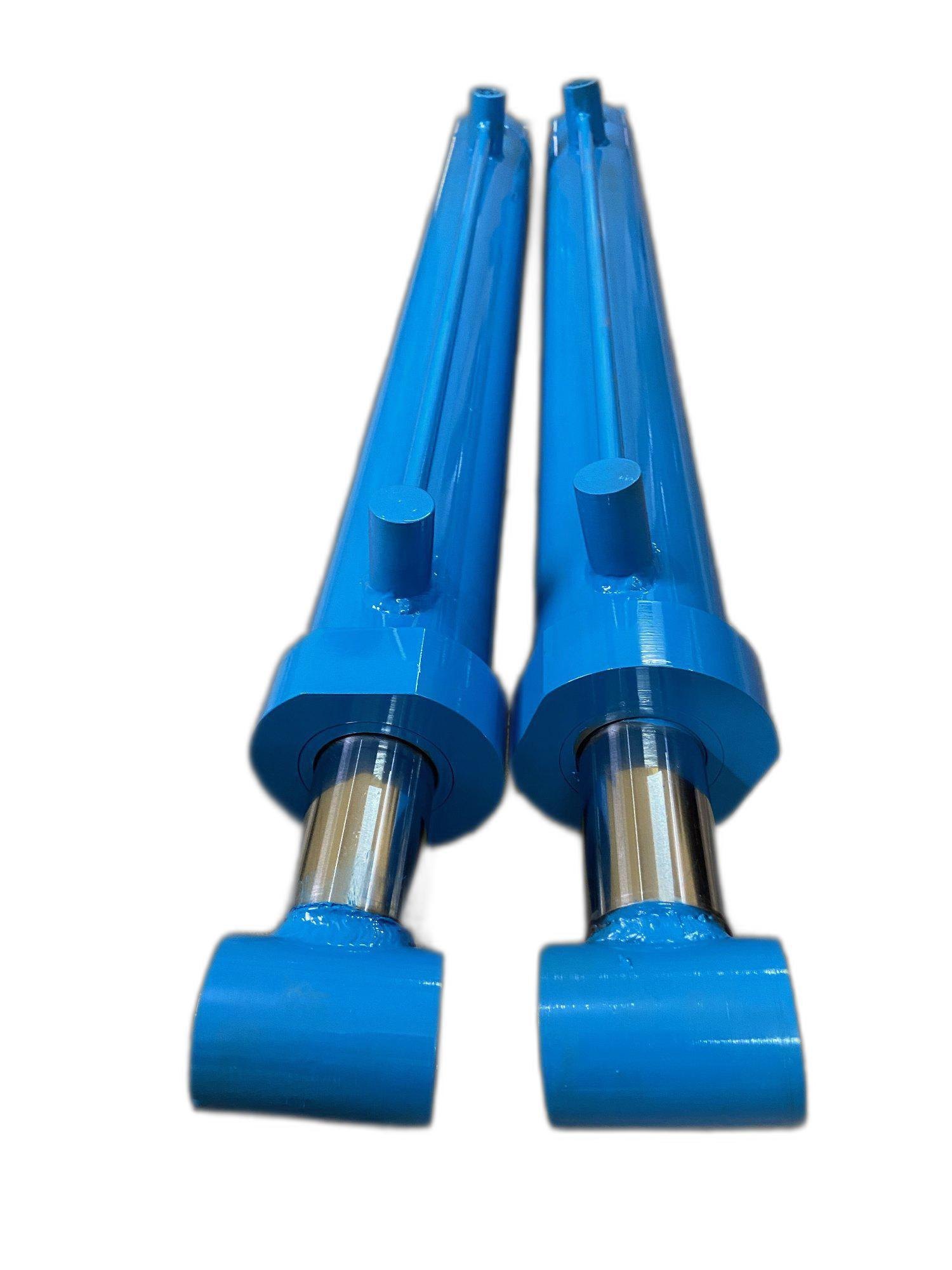
mobile hydraulic repair near me

This proactive approach helps equipment owners avoid expensive replacements and reduce the frequency of breakdowns. One of the key benefits of professional hydraulic repairs is the ability to significantly extend the equipment’s lifespan. Hydraulic components are subject to constant pressure, friction, and exposure to harsh environments, which naturally leads to wear and tear. Expert repairs often involve replacing or refurbishing critical parts with high-quality materials, ensuring that the system maintains its integrity and reliability. Additionally, skilled technicians can recommend preventive maintenance strategies tailored to the specific needs of the equipment, such as regular fluid analysis, filter replacements, and system flushing. These practices help maintain optimal operating conditions and delay the onset of major mechanical failures. Maximizing operational efficiency is another important advantage of expert hydraulic repair services. Well-maintained hydraulic systems operate with greater precision and power, translating to smoother machine performance and improved productivity.  Reduced downtime from unexpected repairs means that projects stay on schedule, and businesses can meet their operational targets more consistently.  Furthermore, efficient hydraulic systems consume less energy, contributing to cost savings and environmental sustainability.

This combination of reliability, productivity, and cost-effectiveness makes investing in expert hydraulic repairs a wise decision for any business relying on hydraulic machinery. In addition to repair and maintenance, expert technicians often provide system upgrades and retrofitting services to enhance equipment capabilities. These improvements can include modernizing control systems, installing more durable components, or optimizing hydraulic circuits for better performance. Such upgrades not only improve current operations but also future-proof equipment to handle evolving industry demands and technological advancements. Overall, expert hydraulic repairs are essential for sustaining the performance and longevity of hydraulic equipment. By addressing issues promptly, using quality parts, and implementing preventive maintenance, these repairs help businesses avoid costly downtime and extend the operational life of their machinery. This leads to improved productivity, lower maintenance expenses, and a stronger return on investment, ensuring that equipment remains a valuable asset for years to come.